When I was in university in the late 1990s, the business world felt unstoppable.
Markets were booming. Technology companies were exploding in value. Every week seemed to bring another story about massive growth, brilliant executives, and the future arriving faster than anyone expected.
The atmosphere was intoxicating. Confidence was everywhere. Success looked inevitable.
And then the cracks started to appear.
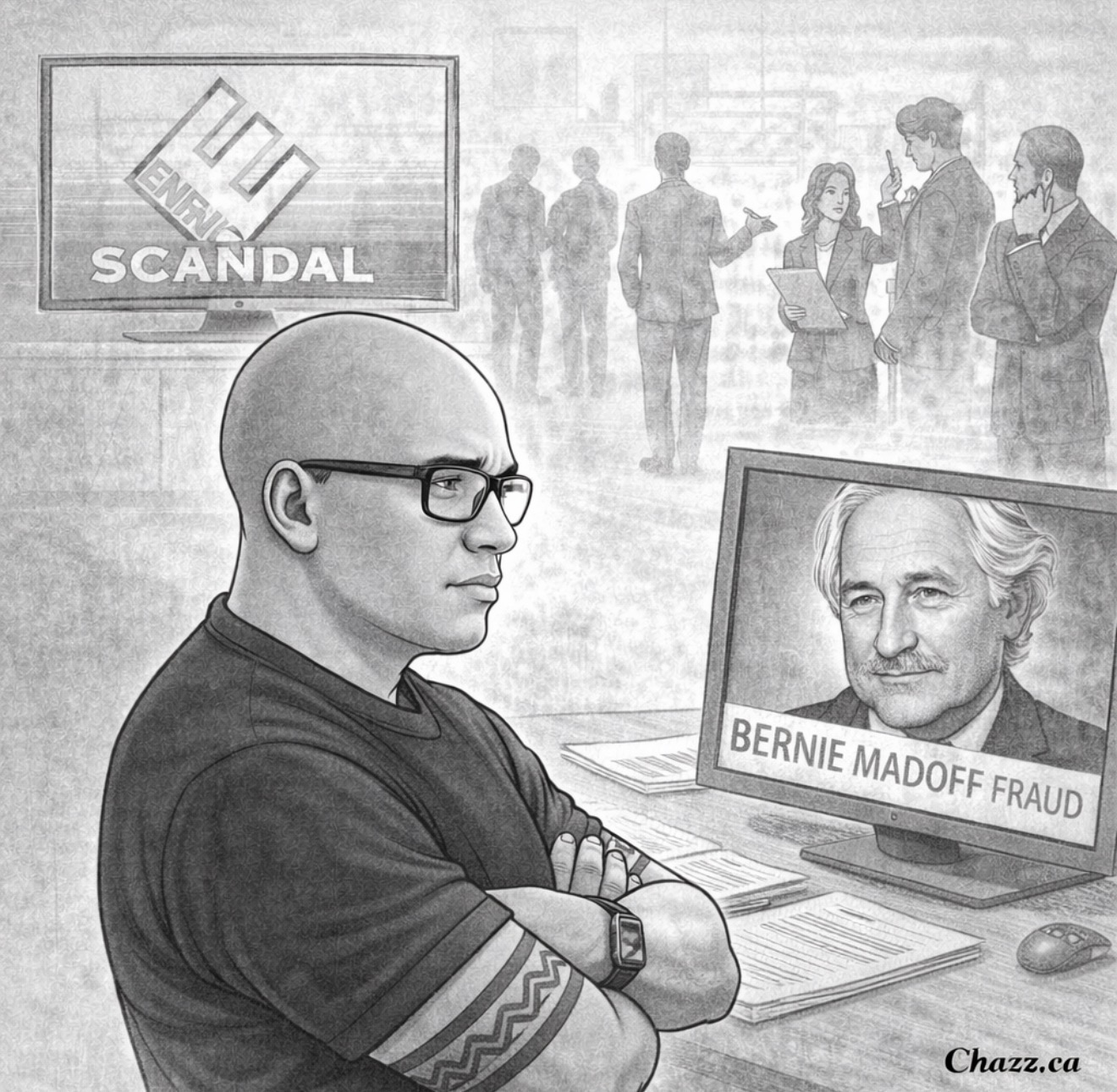
Not long after, Enron collapsed in spectacular fashion. At one point it had been one of the most admired companies in the world. Innovative. Sophisticated. Run by people considered some of the smartest minds in business.
But beneath the surface, the numbers were telling a very different story.
The people who first raised concerns about Enron were not celebrated. They were inconvenient. They were accused of not understanding the brilliance of the system.
In other words, they got into trouble.
Years later the same pattern repeated with Bernie Madoff. For decades his investment returns appeared almost magical. Consistent gains. Stability regardless of market conditions.
But a few analysts and professionals noticed something strange. The math did not add up. The strategy could not realistically produce those results.
They asked questions.
How are these returns actually generated?
Where is the trading activity?
Why does the strategy never seem to lose money?
Instead of being applauded for their skepticism, they were dismissed. Critics were told they simply did not understand the sophistication of the model.
Again, the people asking the right questions got into trouble.
What fascinates me about these stories is not just the fraud itself. It is the environment that allows it to grow.
In almost every major failure, someone noticed something early. Someone saw a gap in the numbers. Someone sensed that the story being told was too neat, too convenient, too perfect.
But raising that concern disrupted the momentum.
It slowed things down. It forced uncomfortable conversations. It challenged the narrative everyone wanted to believe.
And so the easier choice for many people was silence.
In my line of work, I see smaller versions of this dynamic all the time.
Business owners are excited about a new contract, a new expansion, or a new opportunity. The deal is moving quickly. Everyone wants to keep the momentum going.
Then someone asks a question that interrupts the rhythm.
What happens if this project fails?
Who actually carries the liability?
Is this risk really covered the way you think it is?
Those questions rarely make the room cheer. Sometimes they make people uncomfortable. Occasionally they make someone wish the question had never been asked.
But that is exactly what risk management is supposed to do.
The job is not to make everything feel easy. The job is to make sure reality has been properly examined before the stakes get higher.
Because history has shown us what happens when nobody is willing to challenge the story everyone wants to believe.
Companies collapse. Fortunes disappear. Trust evaporates.
Looking back, the people who questioned Enron or challenged Madoff were not troublemakers.
They were the ones paying attention.
And in business, as in life, the people who are willing to get into the right kind of trouble are often the ones standing between confidence and catastrophe.





I am a Canadian business owner with a longstanding interest in leadership, strategy and decision making. I write about business, risk, leadership and the systems and incentives that shape how people and organizations make decisions.
Chazz.ca is my personal writing project and a place to explore ideas drawn from experience, education, reading and conversations with people building and leading organizations.
Leave a Reply