Busy feels productive. That is why so many people hide inside it.
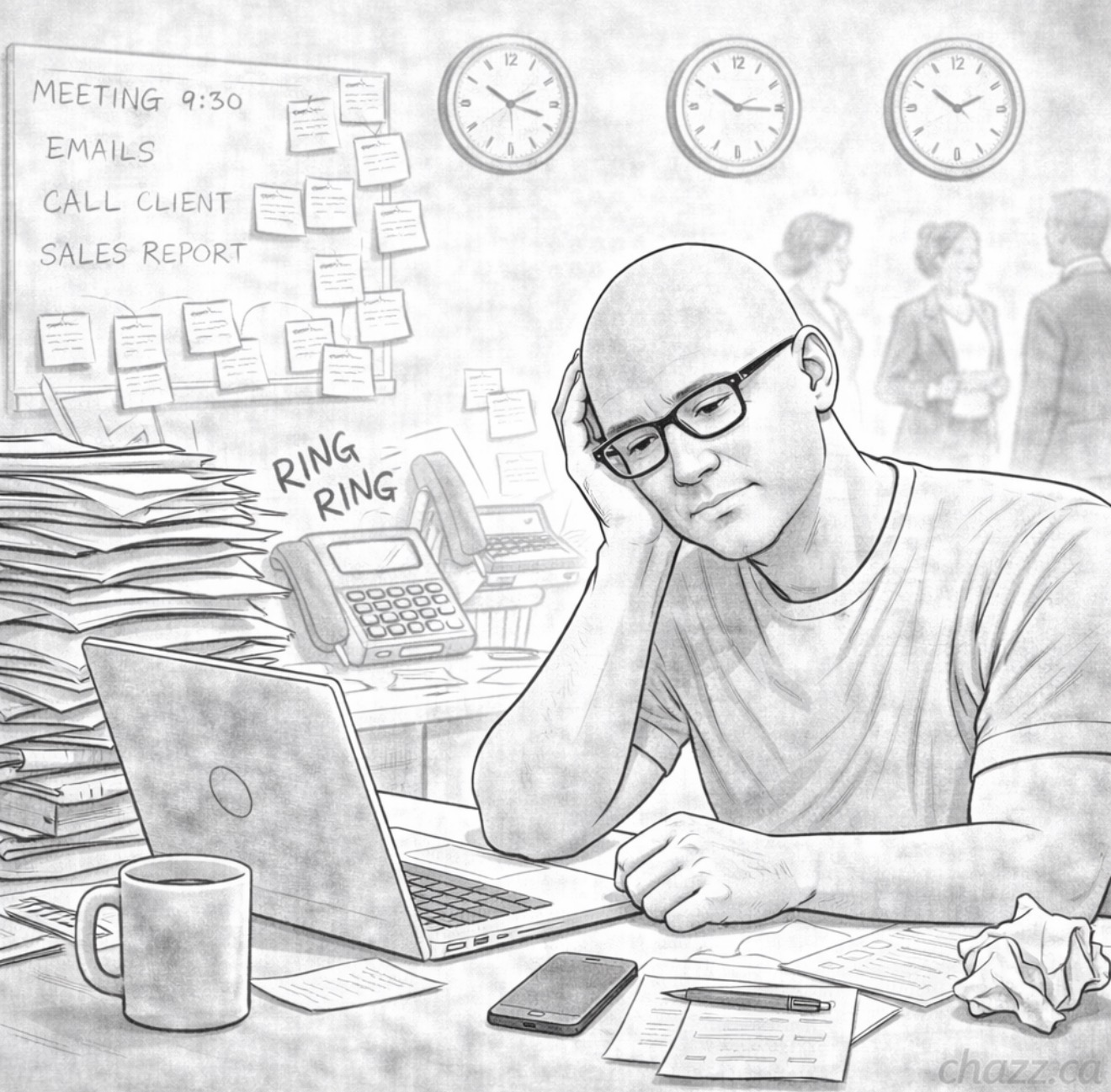
I see it every week in business. Calendars packed. Phones ringing. Meetings stacked back to back. People moving fast, responding fast, reacting fast. At the end of the day everyone is exhausted and strangely proud of it. But exhaustion is not a metric. Motion is not a result.
In leadership and sales, the temptation to stay busy is constant because activity is visible. It looks like progress. It sounds like effort. It gives us a place to stand when outcomes are unclear. If I am busy, then I must be contributing. If I am overwhelmed, then I must be important. That is a comforting story. It is also a dangerous one.
The real work is usually quiet. It is the time spent understanding a client before offering advice. It is the discipline of building a plan instead of chasing the next opportunity. It is coaching someone on your team when it would be easier to just take over and do it yourself. None of that looks urgent. All of it compounds.
I have watched teams get stuck in activity loops where they answer emails faster, book more calls, attend more meetings, and still struggle to move the needle. Not because they lack effort, but because effort without prioritization becomes noise.
In wealth planning and insurance, the risk is even higher. Clients do not need speed. They need clarity. They need someone who will slow the conversation down long enough to understand intent, tolerance, and tradeoffs. Rushing to appear responsive can create recommendations that feel helpful in the moment but fragile over time. Being busy can hide that fragility.
There is also a leadership cost. When leaders reward activity instead of outcomes, teams learn to optimize for optics. They stay online longer. They respond instantly. They create the appearance of momentum. Meanwhile, the hard work of building competence, trust, and structure gets delayed because it is slower and harder to measure.
Over time, organizations built on activity begin to feel loud but hollow. Everything is moving, but nothing is compounding.
The most effective professionals I know do something different. They protect focus. They choose fewer priorities and execute them deeply. They invest time in conversations that do not produce immediate revenue but build long term trust. They measure success by the durability of results, not the volume of tasks completed. It is less dramatic. It is also far more powerful.
The question is not whether you were busy today. The question is whether what you did will still matter a year from now.
If the answer is no, then busy was just a place to hide.





I am a Canadian business owner with a longstanding interest in leadership, strategy and decision making. I write about business, risk, leadership and the systems and incentives that shape how people and organizations make decisions.
Chazz.ca is my personal writing project and a place to explore ideas drawn from experience, education, reading and conversations with people building and leading organizations.
Leave a Reply