
In high-stakes environments, we are taught that “optionality” is the ultimate hedge. We are told to keep our doors open, our capital fluid, and our strategies flexible.
On the surface, this looks like sophisticated risk management. In reality, it is often a refusal to decide.
The trade-off of keeping every door open is that you never actually enter the room.
Strategy is not the pursuit of more options. Strategy is the intentional, often painful, destruction of options in favor of a singular direction.
When a leader refuses to commit to a path because the “risk” of being wrong is too high, they ignore a much larger second-order risk: the cost of inertia. While you are preserving your flexibility, your organization is leaking energy. Your best people are guessing. Your capital is sitting idle.
We oversimplify “risk” as the possibility of a negative outcome. We underestimate the risk of a “non-outcome.”
Every day you spend “keeping your options open” is a day you spend paying a premium for a choice you aren’t making. It is an insurance policy with a 100% loss ratio on your most valuable asset: time.
The most dangerous assumption a founder or executive can make is that waiting for more data is a neutral act. It is not. Waiting is a decision to let the market, the competition, or the calendar decide for you.
You can have the comfort of flexibility or the results of a conviction. You cannot have both.
If you are currently staring at three “viable” paths and refusing to pick one, you aren’t being cautious. You are avoiding the trade-off.
What is the real price you are paying for the safety of not deciding?





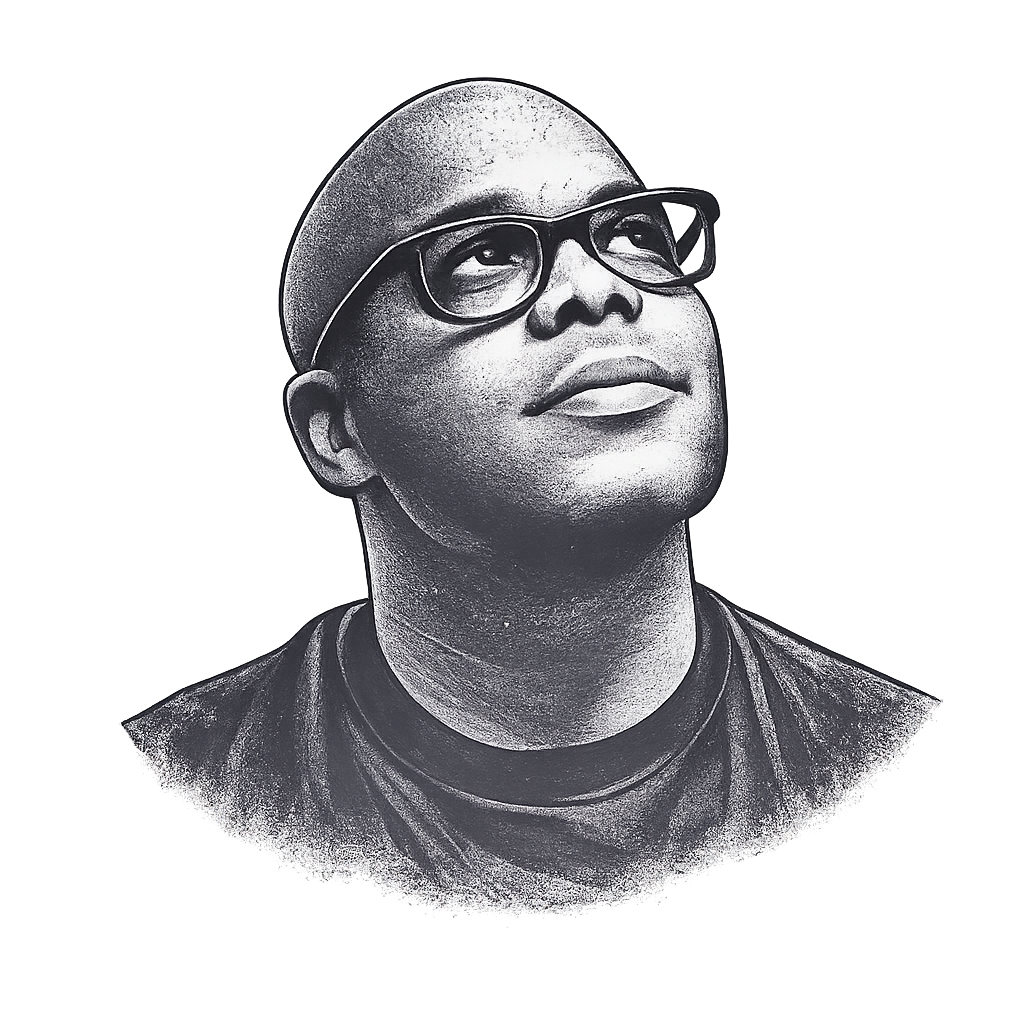
I am a Canadian business owner with a longstanding interest in leadership, strategy and decision making. I write about business, risk, leadership and the systems and incentives that shape how people and organizations make decisions.
Chazz.ca is my personal writing project and a place to explore ideas drawn from experience, education, reading and conversations with people building and leading organizations.
Leave a Reply