Most people celebrate the outcome. Leaders study the process.
You solved the problem. You closed the file. You helped the client. You got through the situation. That matters. Execution always matters. But the deeper question is whether what worked once can work again without you personally holding it together.
That is where process thinking separates professionals from operators.
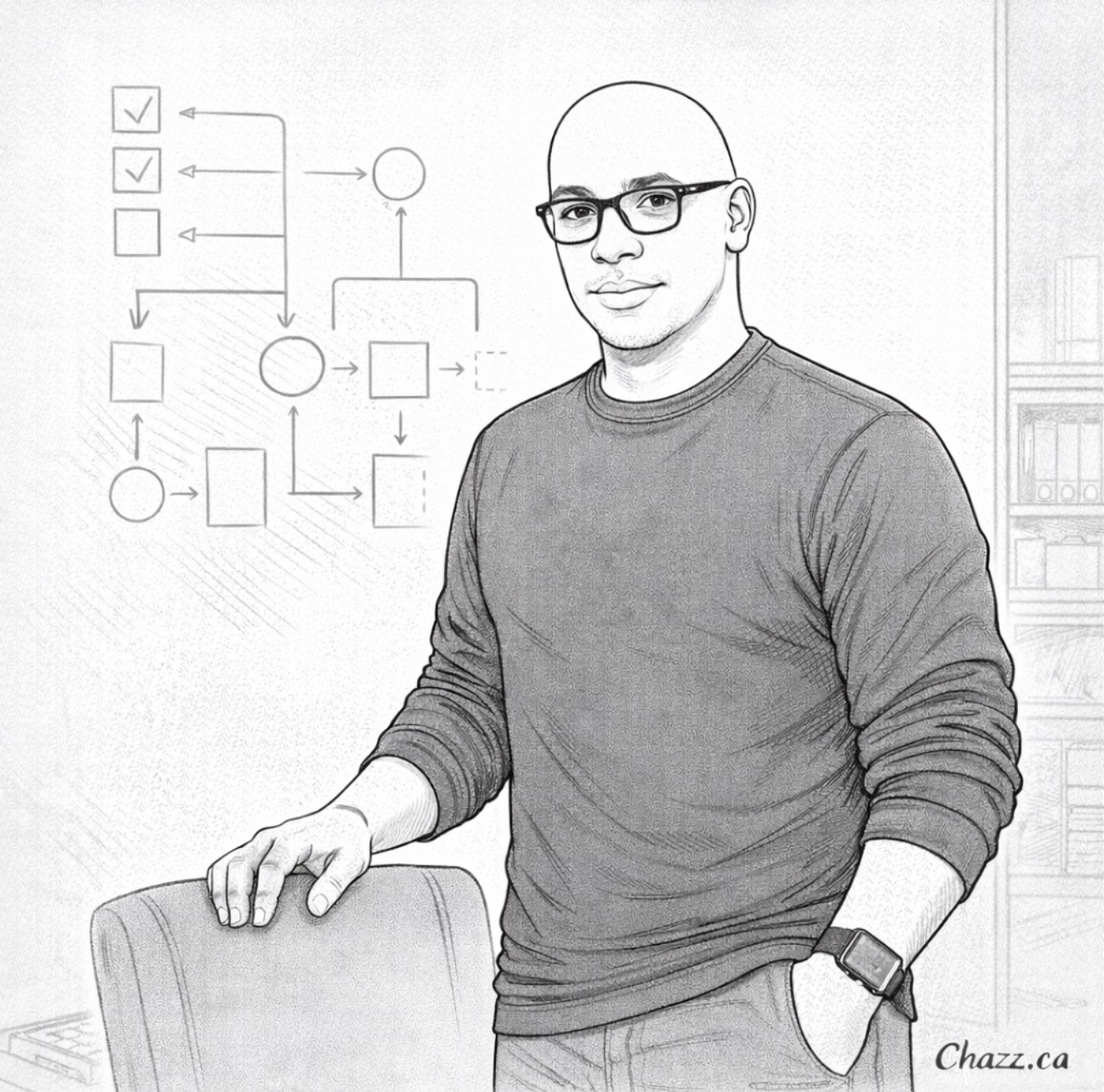
In management, a win that cannot be repeated is not a strategy. It is a moment. Real organizations are built on repeatability. Can someone else step in and follow the same method? Is there a protocol for when the situation breaks? Can the process improve without depending on a single person’s instinct or memory?
If the answer is no, then the success is fragile.
This shows up everywhere. In sales. In leadership. In service. And very clearly in risk management.
Insurance, at its core, is process thinking applied to uncertainty. You are not planning for what happened once. You are preparing for what could happen again, under different conditions, at a different scale, with different people involved. A strong risk framework asks the same questions good operators ask. What is the method? Who owns it? What happens when it fails? How do we improve it before the next cycle?
Most households and businesses do not struggle because they lack effort. They struggle because they rely on heroic effort instead of structured process.
The advisor who remembers everything in their head instead of documenting it.
The business owner who handles every exception personally instead of building a system.
The family that reacts to crises instead of building a plan that anticipates them.
That approach works right up until the day it doesn’t.
Management training programs talk about institutionalizing knowledge. Not because it sounds sophisticated, but because organizations that scale have to convert individual instinct into shared capability. When a process becomes teachable, it becomes durable. When it becomes improvable, it becomes an advantage.
The same logic applies to protection and planning.
A policy is not the process. A signed document is not the system. The real value is the framework around it. How decisions are made. How reviews happen. How adjustments are triggered. How someone else could step in and still protect what matters.
That is leadership in its purest form. Not just solving the problem in front of you, but building a way of solving problems that lasts beyond you.
The question for today is simple.
Did you just make it work this time, or did you build something that works next time too?




I am a Canadian business owner with a longstanding interest in leadership, strategy and decision making. I write about business, risk, leadership and the systems and incentives that shape how people and organizations make decisions.
Chazz.ca is my personal writing project and a place to explore ideas drawn from experience, education, reading and conversations with people building and leading organizations.
Leave a Reply