Earlier in my career, everything ran through me. Every decision, every client issue, every exception, every escalation. If something moved forward, it was because I pushed it. If something stalled, it was usually waiting on me. At the time, that felt like leadership and responsibility.
Over time I realized it was actually a structural weakness.
When an organization depends heavily on one person’s involvement to function, it cannot scale properly. Decision making slows, confidence stays centralized, and the team never develops the judgment required to operate independently. In management terms, this creates key person risk and limits operational maturity.
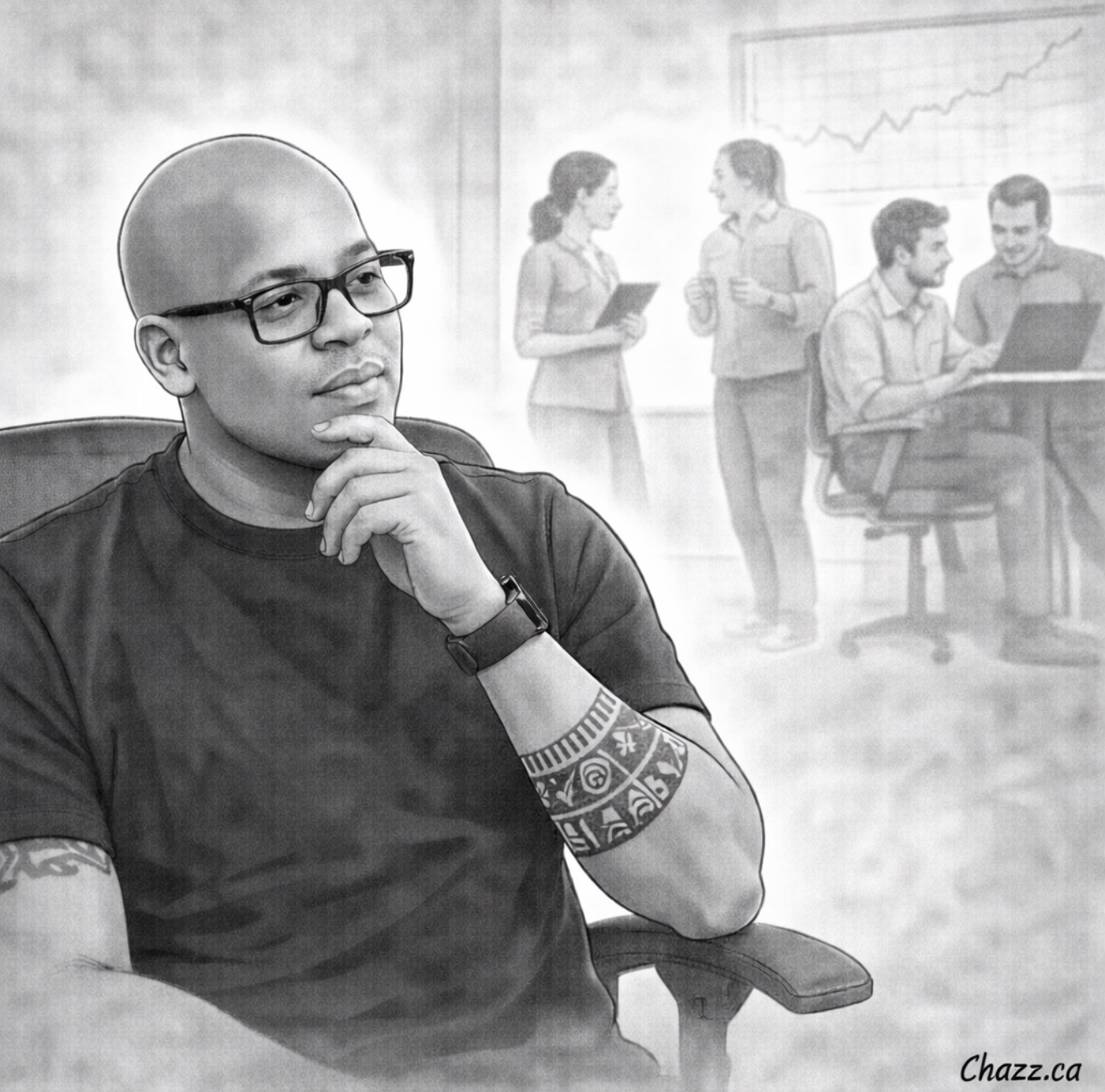
As the business grew, I had to change how I approached leadership. Instead of solving every problem directly, I focused on developing the people around me. That meant spending more time explaining how decisions should be made rather than making them myself. It meant allowing people to work through situations even when I could have stepped in and handled them faster. It meant prioritizing long term capability over short term efficiency.
The results were not immediate, but they were meaningful. The team began to take ownership of decisions. Conversations moved forward without waiting for approval. Problems were addressed earlier and closer to the source. Confidence increased because people were no longer just executing tasks. They were applying judgment.
This shift also changed the role of leadership. The focus moved away from being the central operator toward being the architect of the environment. The responsibility became setting clear expectations, reinforcing standards, and ensuring the team understood what good looked like without constant supervision.
Organizations that evolve this way become more resilient. They are less dependent on any one person. They move faster because decisions do not bottleneck. They are better equipped to handle growth because capability is distributed rather than concentrated.
Looking back, the goal was never to be needed for everything. The goal was to build a team that could operate effectively without constant intervention. That is what real development looks like. Not just getting results today, but creating the conditions for results to continue even when leadership steps out of the room.





I am a Canadian business owner with a longstanding interest in leadership, strategy and decision making. I write about business, risk, leadership and the systems and incentives that shape how people and organizations make decisions.
Chazz.ca is my personal writing project and a place to explore ideas drawn from experience, education, reading and conversations with people building and leading organizations.
Leave a Reply