There was a time when the person running a business mostly needed to understand the product.
A contractor needed to know construction.
A restaurant owner needed to know food.
An insurance advisor needed to understand policies.
That was the job.
Today the job is very different.
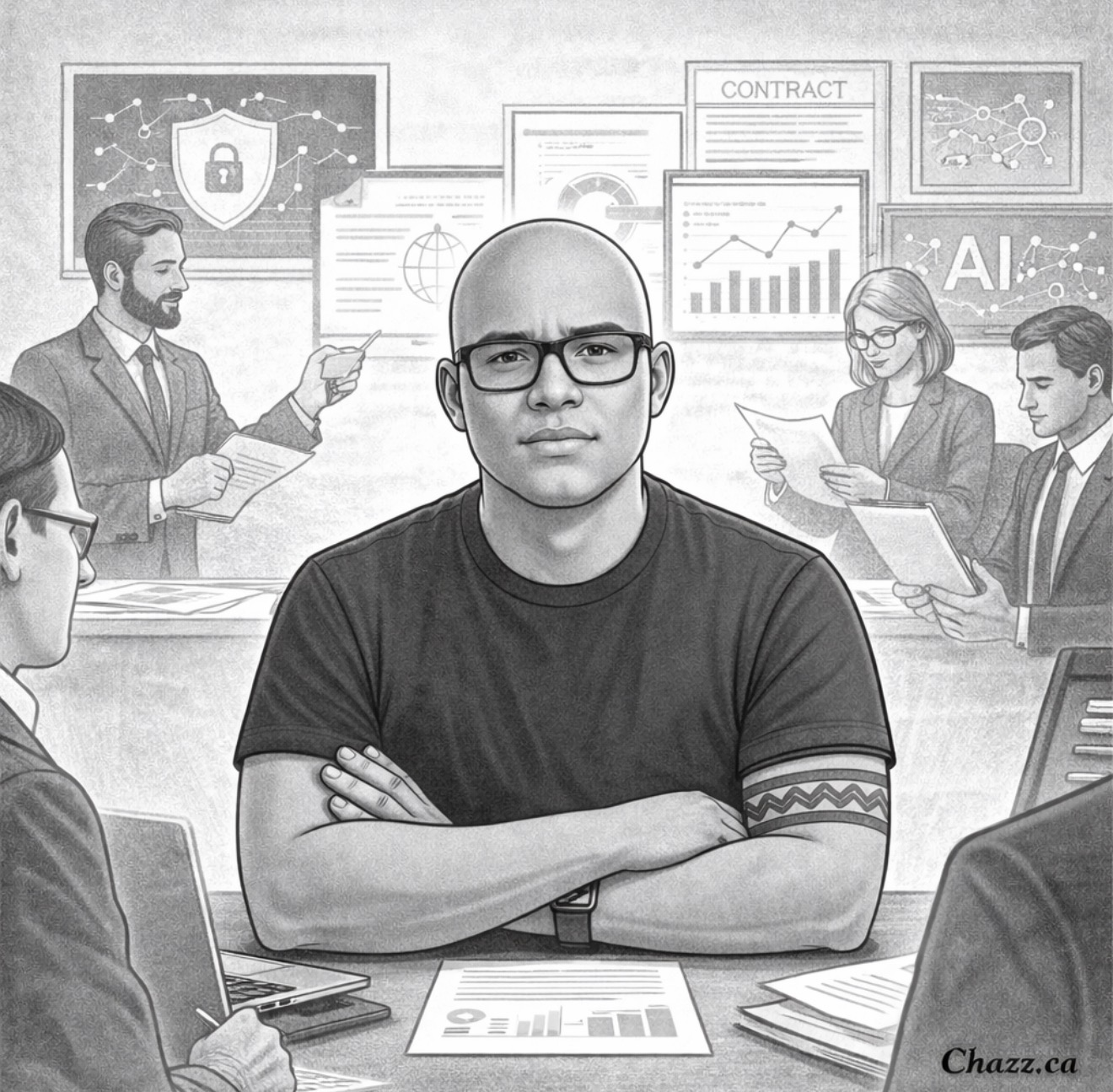
A business owner might understand their craft perfectly, but they still have to make decisions about things they never trained for. Cybersecurity. Vendor contracts. Employment practices. Data privacy. Supply chains. Reputation risk. Artificial intelligence. Financing structures.
And yes, insurance.
In other words, leadership now requires navigating systems that extend far beyond the original expertise that started the business in the first place.
A great electrician might suddenly be managing twenty employees.
A talented builder might suddenly be negotiating multi million dollar contracts.
A successful entrepreneur might suddenly be responsible for the livelihoods of dozens of families.
The product expertise that built the business is still important.
But it is no longer enough.
Running an organization today means constantly making decisions in areas where you are not the technical expert. It means evaluating advice, understanding tradeoffs, and building a system of professionals who help you see risks before they become problems.
This is where many leaders feel uncomfortable.
Because the instinct is to pretend certainty. To assume that if the business is operating smoothly, everything underneath must be working as well.
But complexity has a way of hiding quietly beneath success.
A company might grow from two employees to fifty. The contracts get larger. The projects get riskier. Equipment fleets expand. Liability grows.
Yet the systems protecting that company often remain exactly where they were when the business was small.
This is not because owners are careless. It is because growth moves faster than reflection.
And reflection is the job of leadership.
The role of the modern business owner is not to personally master every technical field. It is to recognize where expertise matters and to bring the right people into the room before decisions become expensive.
The best leaders understand this instinctively.
They do not wing it when the stakes are high. They ask better questions. They surround themselves with people who know more than they do in specific areas. They build structures that protect the business they worked so hard to create.
Because at the end of the day, the defining job of a leader is surprisingly simple.
Leaders do not need to know everything.
But they do need to make the decisions that determine whether everything holds together.





I am a Canadian business owner with a longstanding interest in leadership, strategy and decision making. I write about business, risk, leadership and the systems and incentives that shape how people and organizations make decisions.
Chazz.ca is my personal writing project and a place to explore ideas drawn from experience, education, reading and conversations with people building and leading organizations.
Leave a Reply