I recently spent time with a close friend of mine, a deeply accomplished business leader and one of the most naturally intelligent people I know. Our conversation moved, as good conversations often do, into uncomfortable territory. We began discussing whether chief executives and corporate leaders should ever take public positions on political or social issues.
His view was clear. Under no circumstances should business leaders take sides. Companies exist to serve markets, not movements. Leadership, in his mind, required neutrality.
I understand that perspective. In many situations, restraint is wise. On routine policy debates or partisan disagreements, silence can protect focus and stability. Businesses need customers across differences, and leaders must avoid turning every issue into a battlefield.
But I found myself pushing back when the conversation shifted from policy to people.
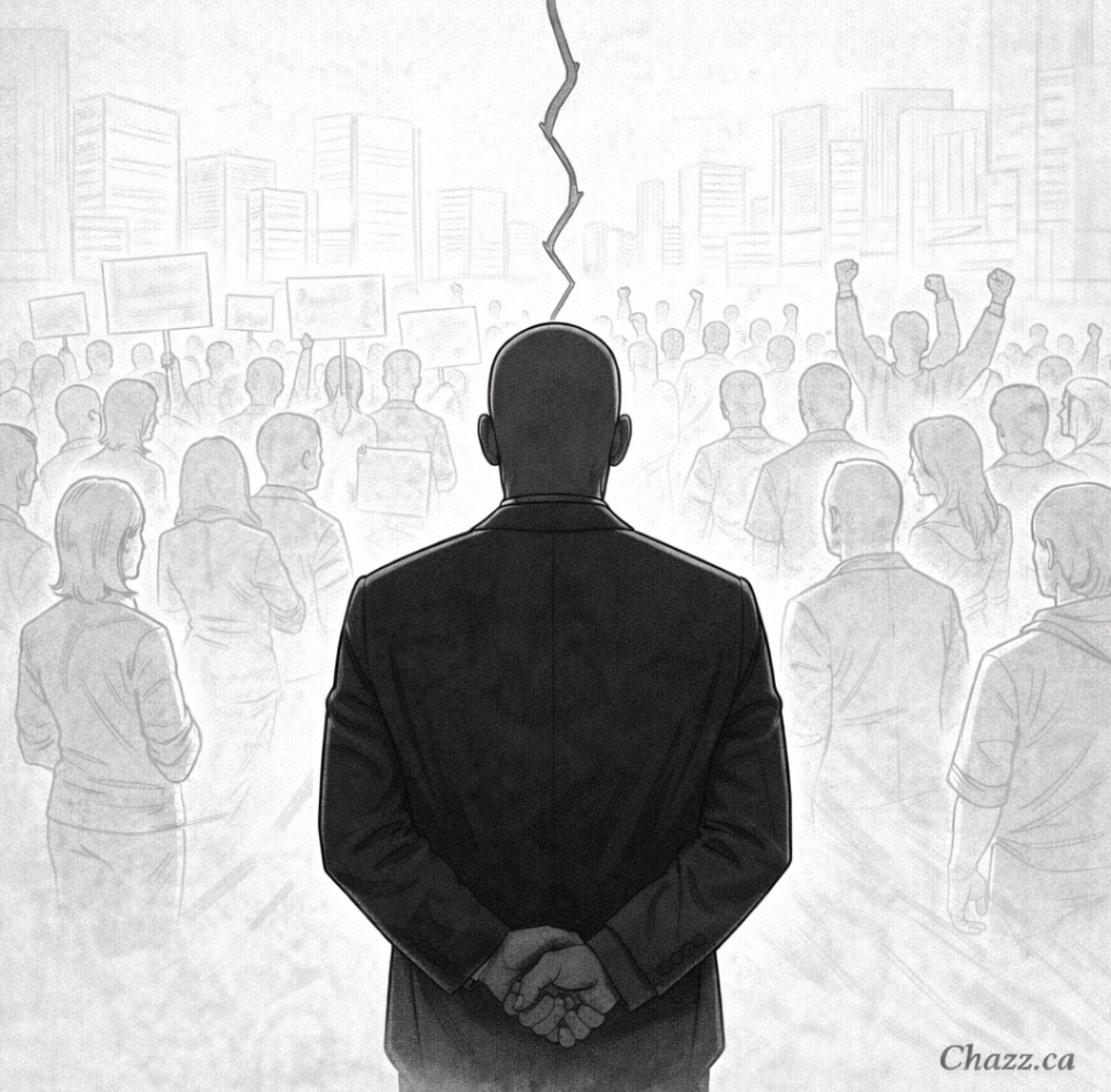
There is a difference between political preference and human dignity. When issues involve the treatment of human beings, whether defined by race, gender, origin, or status, silence stops being neutral. Silence becomes a position of its own.
As we talked, something became clearer to me. His perspective was not rooted in indifference. It was rooted in experience. His life had allowed him to operate largely outside the direct consequences of certain social realities. From that vantage point, neutrality feels rational, even principled.
But leadership is not only about personal experience. It is about recognizing realities that exist beyond your own.
One of the most difficult concepts for even highly intelligent people to accept is that absence of experience does not equal absence of truth. Just because you have not encountered a barrier does not mean it is not real. Just because a system works smoothly for you does not mean it works smoothly for everyone inside it.
In risk management, we understand this instinctively. The most dangerous risks are often invisible to those least exposed to them. A system can appear stable from one perspective while quietly failing from another. Leaders are trained to look for unseen exposure, not just visible outcomes.
Social leadership works the same way.
The ability to remain neutral is often a form of insulation. It is easier to avoid taking a position when the outcome does not materially affect your safety, your identity, or your opportunity. Neutrality, in many cases, is not simply discipline. It is privilege.
And privilege is not an accusation. It is a condition.
Some people are granted the space to observe conflict from a distance. Others live inside it whether they choose to or not. For them, silence is not an option because their existence is already part of the conversation.
This creates a leadership dilemma. The safest decision for reputation may be silence. The most ethical decision may be voice. Navigating that tension requires judgment, humility, and an understanding that leadership is not only about protecting enterprise value. It is also about signaling what kind of world your organization believes it operates within.
The strongest leaders I have met understand that success expands responsibility. Influence changes the weight of silence. When people listen to you, choosing not to speak carries meaning just as surely as choosing to speak does.
I left that conversation with more respect for my friend, not less. Intelligent disagreement sharpens thinking. But I also left with a clearer conviction.
The ability to take no sides is not universally available. It is a position afforded to some by circumstance. Many others are shaped by realities that make neutrality impossible long before they enter any debate.
Leadership, at its best, is the willingness to see beyond your own experience and recognize risks others are forced to carry.
Because sometimes the greatest privilege is not having to choose.
And the greatest responsibility is realizing when you must.





I am a Canadian business owner with a longstanding interest in leadership, strategy and decision making. I write about business, risk, leadership and the systems and incentives that shape how people and organizations make decisions.
Chazz.ca is my personal writing project and a place to explore ideas drawn from experience, education, reading and conversations with people building and leading organizations.
Leave a Reply