
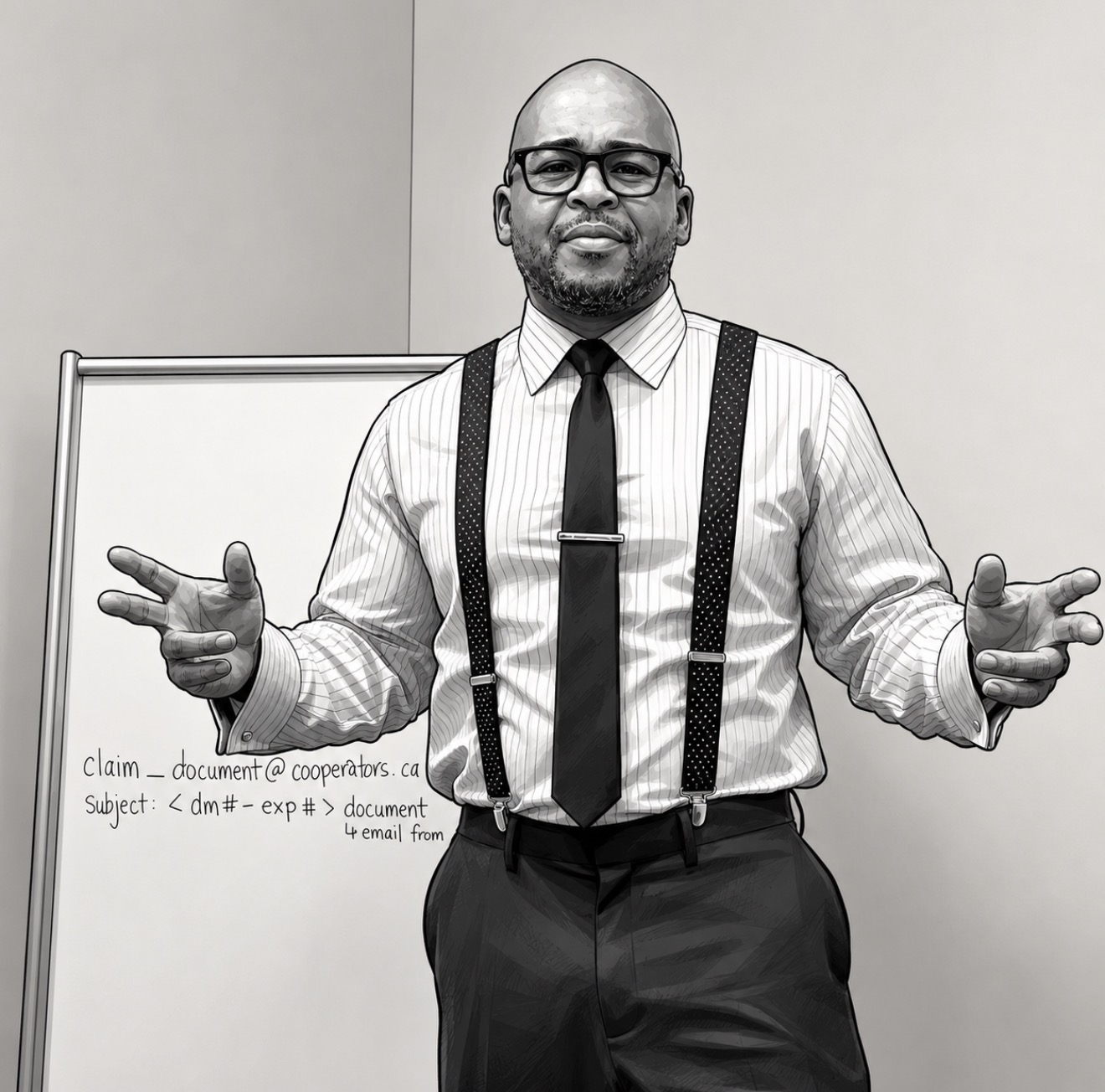
Every leader wants a committed team.
The challenge is that commitment and compliance often look remarkably similar, at least from a distance.
People arrive on time. Deadlines are met. Meetings are attended. Tasks are completed. On paper, everything appears to be functioning exactly as it should.
Yet something feels different.
Ideas become less frequent. Initiative begins to disappear. Problems are identified but not solved. Employees stop looking for better ways to serve clients because they have quietly shifted their focus from creating value to simply meeting expectations.
This is where many organizations become trapped.
Compliance is easy to measure because it is visible. Commitment is much harder to measure because it lives beneath the surface. It reveals itself in discretionary effort, professional curiosity, collaboration, and the willingness to take ownership when nobody is watching.
The mistake many leaders make is assuming that more oversight will produce greater commitment.
In reality, oversight can ensure consistency, but it cannot manufacture engagement.
People rarely become more invested simply because they are monitored more closely. They become invested when they understand why their work matters, when expectations are clear, and when they believe their contributions genuinely influence the success of the organization.
That places an important responsibility on leadership.
When someone begins to disengage, the first question should not be, “What’s wrong with this employee?”
It should be, “What changed?”
Has the role become repetitive? Has bureaucracy replaced meaningful work? Have priorities become unclear? Has recognition disappeared? Or has the individual simply reached a point where they no longer see how their effort connects to the organization’s purpose?
These questions require conversation, not assumption.
They also require leaders to recognize that different people are motivated by different things. Some thrive on autonomy. Others value coaching. Some seek challenge, while others find satisfaction in mastery and stability. Effective leadership is not about applying one motivational strategy to everyone. It is about understanding the individual well enough to know which environment allows them to perform at their best.
That does not mean lowering standards.
Quite the opposite.
High-performing organizations maintain exceptionally high standards. The difference is that their people pursue those standards because they believe in them, not simply because they fear missing them.
Compliance can sustain an organization for a while.
Commitment is what allows it to grow.
As leaders, the responsibility extends beyond ensuring that work gets done. They must create an environment where people want to contribute their best thinking, not just their time.
Because the strongest organizations are not built by employees who merely follow instructions.
They are built by people who choose to care.




I am a Canadian business owner with a longstanding interest in leadership, strategy and decision making. I write about business, risk, leadership and the systems and incentives that shape how people and organizations make decisions.
Chazz.ca is my personal writing project and a place to explore ideas drawn from experience, education, reading and conversations with people building and leading organizations.
Leave a Reply