When you build a business from the ground up, competence is survival. In the beginning, you do almost everything. You win the client, solve the problem, negotiate the deal, deal with the complaint, fix whatever went wrong, and somehow still find time to worry about payroll. If something breaks, you rarely have the luxury of wondering whose responsibility it is. It is yours.
For a long time, being able to fix almost anything is an enormous advantage. Then the business grows. More people arrive, responsibilities get divided, managers emerge, and processes become more sophisticated. Yet something strange can happen to the person who built the organization. Everyone still knows you can fix things.
I have seen versions of this in my own business. Someone comes into my office with a problem and, quite often, I know what I would do. Sometimes I know within thirty seconds. There is an enormous temptation to simply give them the answer. It is faster, the problem disappears, I get to feel useful, and everyone moves on with their day. Except something else just happened. The person who brought me the problem learned that bringing it to me works.
Do that often enough and competence starts creating its own gravitational pull. Difficult decisions find their way to the same desk. People who are perfectly capable of exercising judgment begin second guessing themselves. Managers become messengers. Small problems wait for the person everyone trusts to solve the big ones. Eventually, the most capable person in the organization can become the reason the organization cannot move any faster.
That is an uncomfortable possibility for leaders because being needed feels remarkably similar to being effective. They are not necessarily the same thing.
There is also an ego component that I do not think leaders discuss enough. It feels good to be the person with the answer. There is reassurance in knowing that when something becomes sufficiently difficult, everyone eventually turns to you. You become indispensable, and we tend to describe indispensability as a compliment. I am no longer convinced it always is.
If twenty people need your judgment before they can exercise theirs, you have not necessarily demonstrated how valuable you are. You may have demonstrated how much capability the organization has failed to develop around you. At some point, that changes the job of leadership. The question stops being whether you can solve the problem. Of course you can. That is probably part of the reason you are sitting in the chair. The better question becomes whether you should.
Sometimes the answer is absolutely yes. There are decisions where authority, experience, risk, or consequences require the leader to intervene. Delegation is not abdication, and allowing people to learn does not mean allowing preventable disasters for the sake of personal development. But many of the problems that make their way to a leader’s desk do not meet that threshold.
Sometimes the better response to “What should I do?” is simply, “What do you think we should do?” Then listen. They may arrive at exactly the answer you would have given them. They may arrive at a better one. They may also get it slightly wrong, and that last possibility is where leadership becomes difficult.
Capability requires repetition. Judgment develops through making decisions, living with consequences, receiving feedback, and adjusting. If the leader constantly interrupts that process by supplying the correct answer, the team can become remarkably good at one thing: asking the leader. You can accidentally build dependency while believing you are building excellence.
There is a more practical business risk here as well. An organization concentrated around one person’s judgment has key person risk, whether anyone calls it that or not. Decisions slow when that person is unavailable. Institutional knowledge remains trapped in one head. People escalate instead of deciding. Growth eventually encounters a mathematical constraint because even the most capable leader still has only so many hours in a day. The founder who once accelerated everything can eventually become the bottleneck.
I think one of the harder transitions in leadership is learning to measure your contribution differently. Early in a business, your value is highly visible. You closed the account, solved the problem, saved the client, or fixed the process. Later, some of your best work becomes almost invisible. Someone else makes the right decision without calling you. A manager handles a difficult conversation before you even know there was one. The business encounters a problem you would once have personally solved, and the system absorbs it without you.
Nobody applauds when that happens. Nothing dramatic happens at all. That is precisely the point.
I have increasingly come to believe that leadership maturity involves becoming less impressed by how many things require you and more interested in how many things can function properly without you. That does not make the leader irrelevant. It makes the organization resilient.
Competence gets many of us far enough to build something worth leading. The danger comes when we become so accustomed to demonstrating that competence that nobody around us gets enough room to develop their own. There will always be moments when a leader needs to step in, but if every difficult road eventually leads back to your office, the problem may no longer be the capability of the people around you.
It may be the dependency you unintentionally taught them to have.
If everything works only when you are there, you have not built an organization. You have built a dependency with your name at the centre of it.





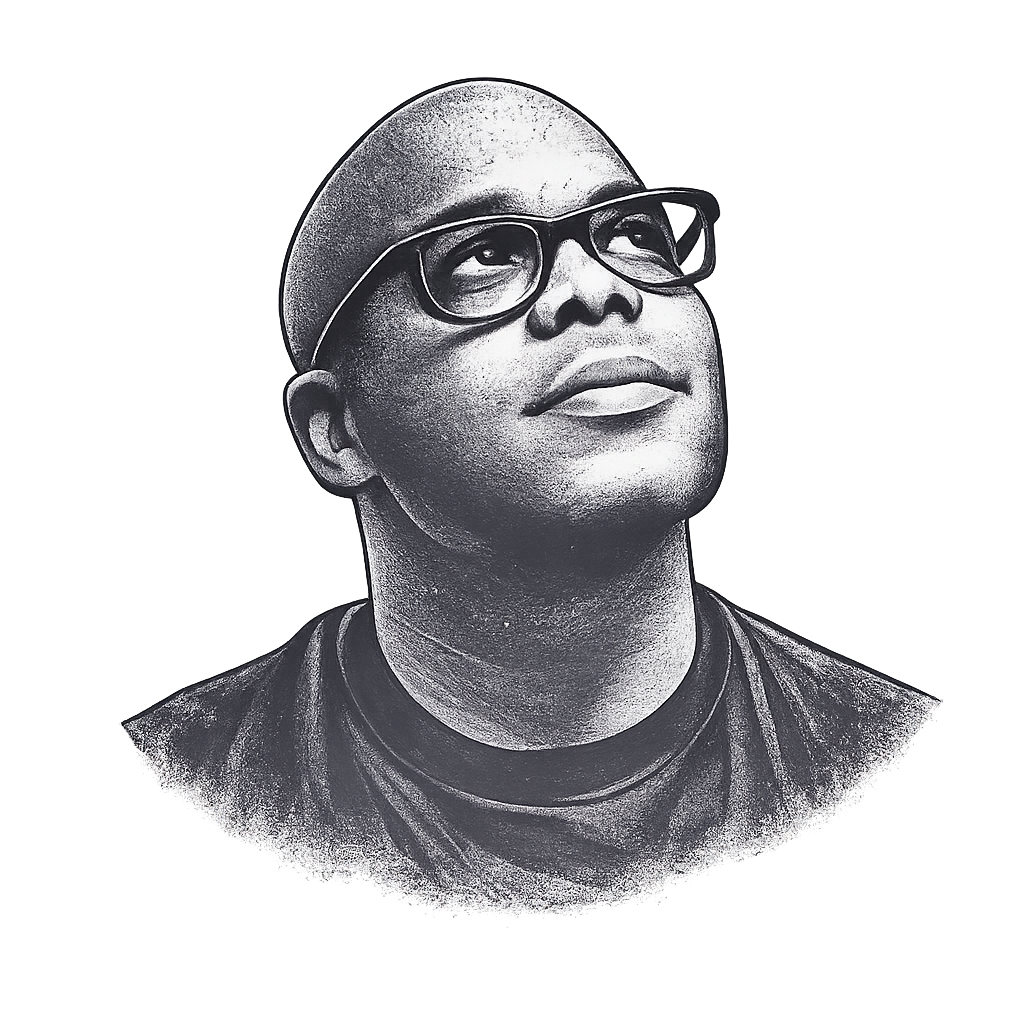
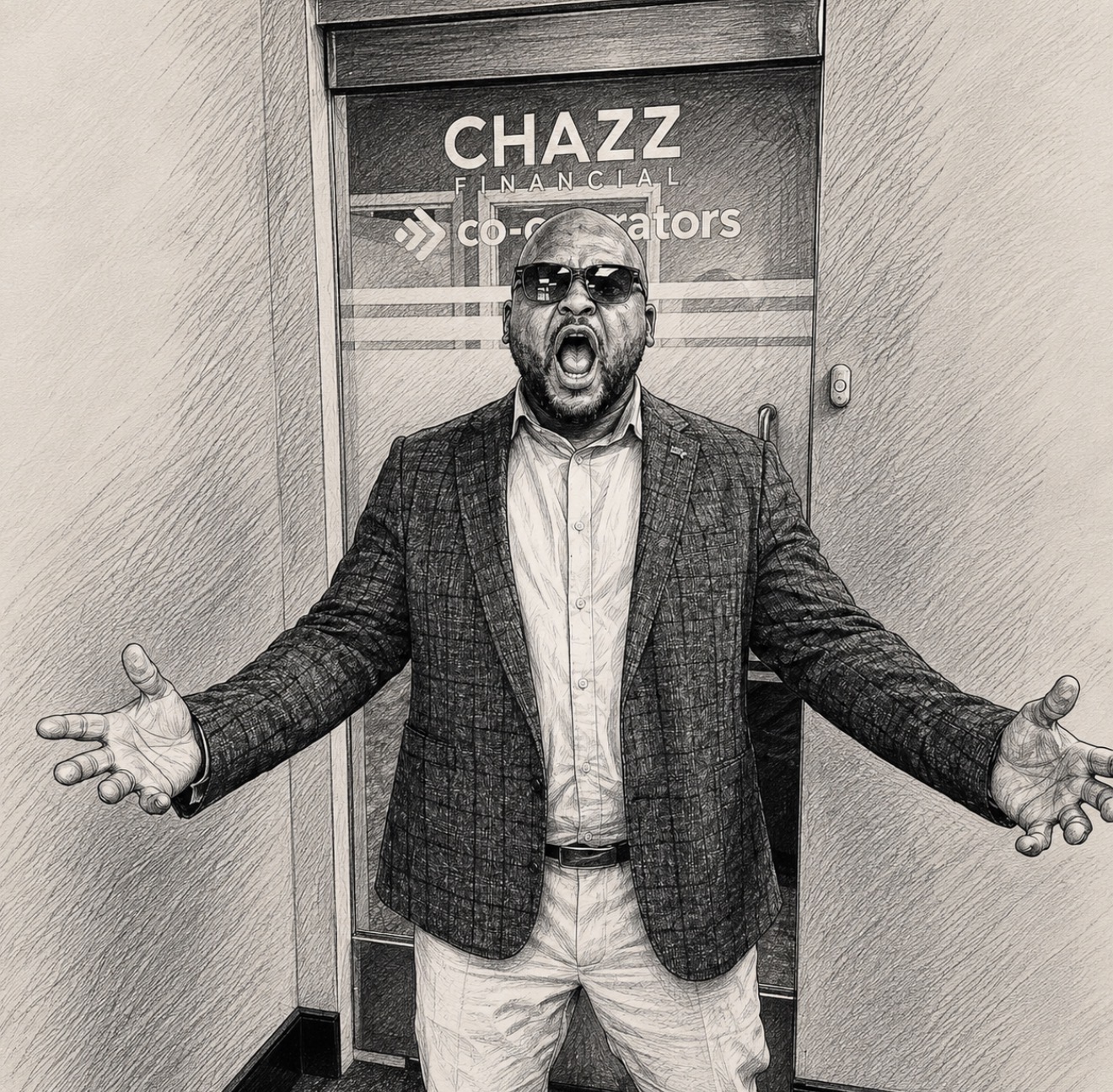
I am a Canadian insurance and investment professional and the President and Chief Executive Officer of Chazz Financial Inc. and Chazz Capital Assets. I write about leadership, markets, insurance, investing, and decision making, with a focus on how structure and incentives shape outcomes.
I hold a business degree and I am a Fellow of the Canadian Securities Institute (FCSI®), a Chartered Life Underwriter (CLU®), a Chartered Financial Planner®, a Certified Health Specialist and a Mutual Fund Investment Representative.
Leave a Reply