We all make them.
Not reckless decisions. Not obviously bad ones. The kind that feel reasonable in the moment. The kind that you can justify.
Good enough.
This week during one of our Thursday initiative sessions, my team pushed hard on a set of questions that come up more often than people realize. Not just about life insurance types, but about what sits underneath them. Buy sell agreements. Key person coverage. What actually happens when something goes wrong inside a business.
And what stood out wasn’t a lack of options.
It was how often decisions are made around what feels sufficient today, rather than what actually holds up over time.
Most people don’t think they’re making short term decisions. They think they’re being practical. They think they’re being efficient. They think they’re avoiding unnecessary cost or complexity.
But when you step back, many of these decisions are simply a trade. Immediate comfort in exchange for long term exposure.
A cheaper structure. A smaller amount. A simplified agreement. A decision made without fully mapping what happens if a partner dies, if a key employee disappears, or if the business itself is forced into a position it was never designed to handle.
At the time, it feels like optimization.
Later, it becomes constraint.
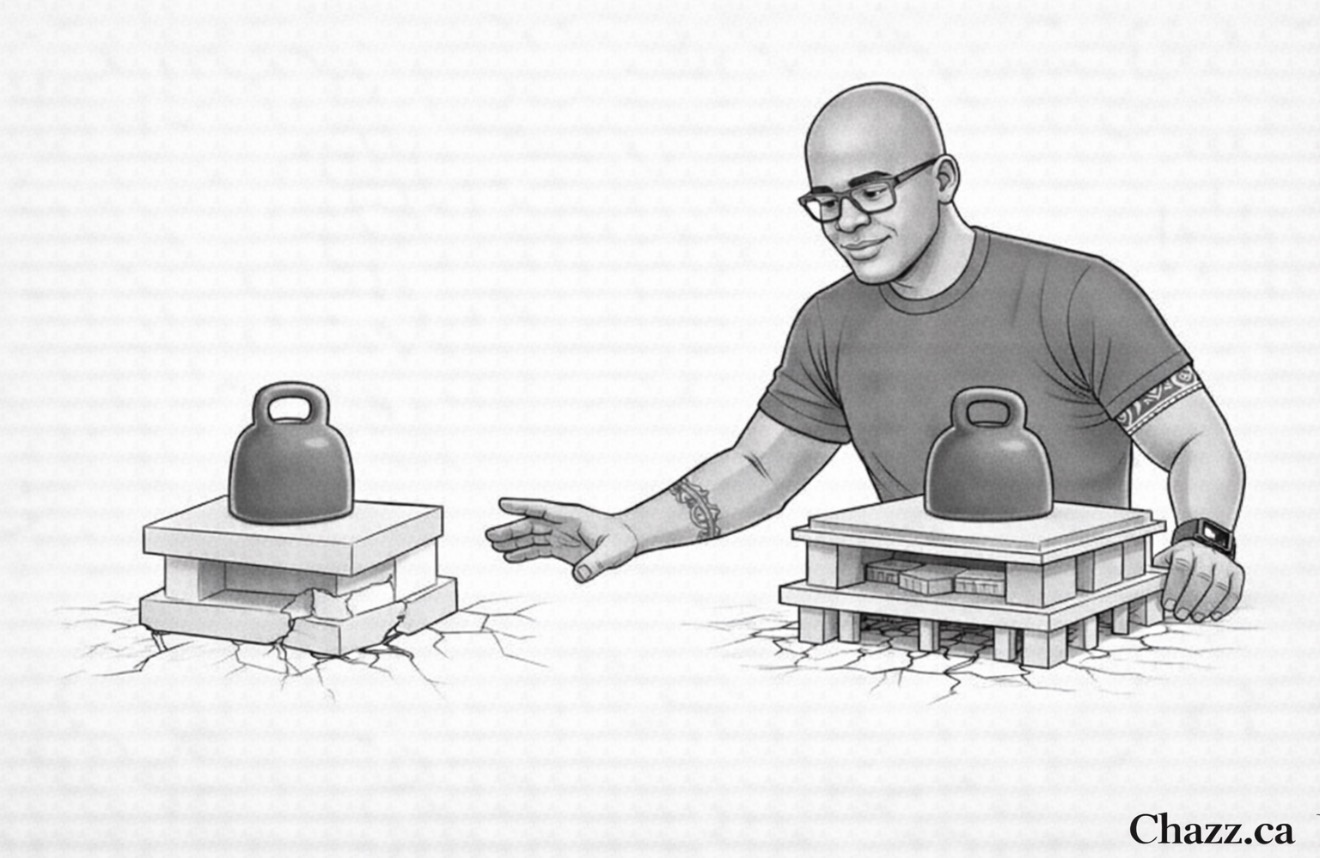
I’ve seen situations where two business owners believed they had things “covered” because they had insurance in place. Same product category. Same basic intent. Yet when something actually happened, one structure worked exactly as intended, and the other didn’t come close.
The difference wasn’t luck.
It was design.
The uncomfortable reality is that most people are not making decisions based on outcomes. They’re making decisions based on identity and timeframe.
If you see yourself as someone who avoids overpaying, you’ll naturally lean toward minimizing cost. If you see yourself as someone who keeps things simple, you’ll strip out complexity, even when that complexity exists for a reason.
And if you’re focused on the next year, you’ll consistently underweight what happens in year ten.
There’s nothing inherently wrong with any of that. But every decision carries a structure behind it. And that structure determines how it behaves under stress.
Choice isn’t just about selecting an option. It’s about selecting a future set of consequences.
In business, and in planning, the real question isn’t whether something works today.
It’s whether it still works when something breaks.





I am a Canadian business owner with a longstanding interest in leadership, strategy and decision making. I write about business, risk, leadership and the systems and incentives that shape how people and organizations make decisions.
Chazz.ca is my personal writing project and a place to explore ideas drawn from experience, education, reading and conversations with people building and leading organizations.
Leave a Reply